'/%3e%3cpath%20d='M119%2071.0684C118.2%2078.6684%20112.667%2087.5684%20110%2091.0684C122.5%2081.5684%20127%2073.5684%20127.5%2066.0684L119%2071.0684Z'%20fill='url(%23paint1_linear_23_56)'/%3e%3cpath%20d='M81.5%200.568359L37%2025.0684L37.5%2070.0684C38.5%2075.5684%2044%2082.5684%2054.5%2090.0684C65%2097.5684%2071%20101.068%2081.5%20107.568C84%2097.0684%20107.5%2096.0684%20112.5%2068.0684L127.5%2059.0684V50.5684L105.5%2063.5684C104.5%2083.5684%2092%2087.0684%2081.5%2095.5684C81.5%2095.5684%2072.1875%2090.5684%2066.5%2087.0684C64.5%2085.8376%2056.2917%2079.5684%2052.5%2076.0684C46.6198%2070.6404%2046.5%2070.0684%2046.5%2060.5684V31.5684L81.5%2012.0684L117.5%2031.0684V37.5684L88%2055.5684C88%2068.0684%2088.5%2069.5684%2082.5%2073.0684C75.0421%2068.7985%2071.7911%2066.2345%2066.5%2061.5684V43.0684L82%2034.0684L93%2040.0684L102.5%2034.5684L82%2023.0684L57%2037.5684V54.0684C57%2064.5684%2057%2066.3684%2060%2069.0684C64%2072.6684%2076%2081.235%2081.5%2085.0684C97%2076.5684%2097%2069.5684%2097%2060.5684L127.5%2042.5684V25.0684L81.5%200.568359Z'%20stroke='url(%23paint2_linear_23_56)'%20stroke-miterlimit='16'/%3e%3cpath%20d='M119%2071.0684C118.2%2078.6684%20112.667%2087.5684%20110%2091.0684C122.5%2081.5684%20127%2073.5684%20127.5%2066.0684L119%2071.0684Z'%20stroke='url(%23paint3_linear_23_56)'%20stroke-miterlimit='16'/%3e%3c/g%3e%3cdefs%3e%3clinearGradient%20id='paint0_linear_23_56'%20x1='82.25'%20y1='0.568359'%20x2='82.25'%20y2='107.568'%20gradientUnits='userSpaceOnUse'%3e%3cstop%20stop-color='%23C91C20'/%3e%3cstop%20offset='1'%20stop-color='%23891C2C'/%3e%3c/linearGradient%3e%3clinearGradient%20id='paint1_linear_23_56'%20x1='82.25'%20y1='0.568359'%20x2='82.25'%20y2='107.568'%20gradientUnits='userSpaceOnUse'%3e%3cstop%20stop-color='%23C91C20'/%3e%3cstop%20offset='1'%20stop-color='%23891C2C'/%3e%3c/linearGradient%3e%3clinearGradient%20id='paint2_linear_23_56'%20x1='82.25'%20y1='0.568359'%20x2='82.25'%20y2='107.568'%20gradientUnits='userSpaceOnUse'%3e%3cstop%20stop-color='%23C91C20'/%3e%3cstop%20offset='1'%20stop-color='%23891C2C'/%3e%3c/linearGradient%3e%3clinearGradient%20id='paint3_linear_23_56'%20x1='82.25'%20y1='0.568359'%20x2='82.25'%20y2='107.568'%20gradientUnits='userSpaceOnUse'%3e%3cstop%20stop-color='%23C91C20'/%3e%3cstop%20offset='1'%20stop-color='%23891C2C'/%3e%3c/linearGradient%3e%3c/defs%3e%3c/svg%3e)
ApusDuo / ApusNeo HAPS
Solar-electric, ultra-light aircraft that loiter in the stratosphere above weather and air traffic — a repositionable alternative to satellites for relay and observation.
Solar-electric, ultra-light aircraft that loiter in the stratosphere above weather and air traffic — a repositionable alternative to satellites for relay and observation.
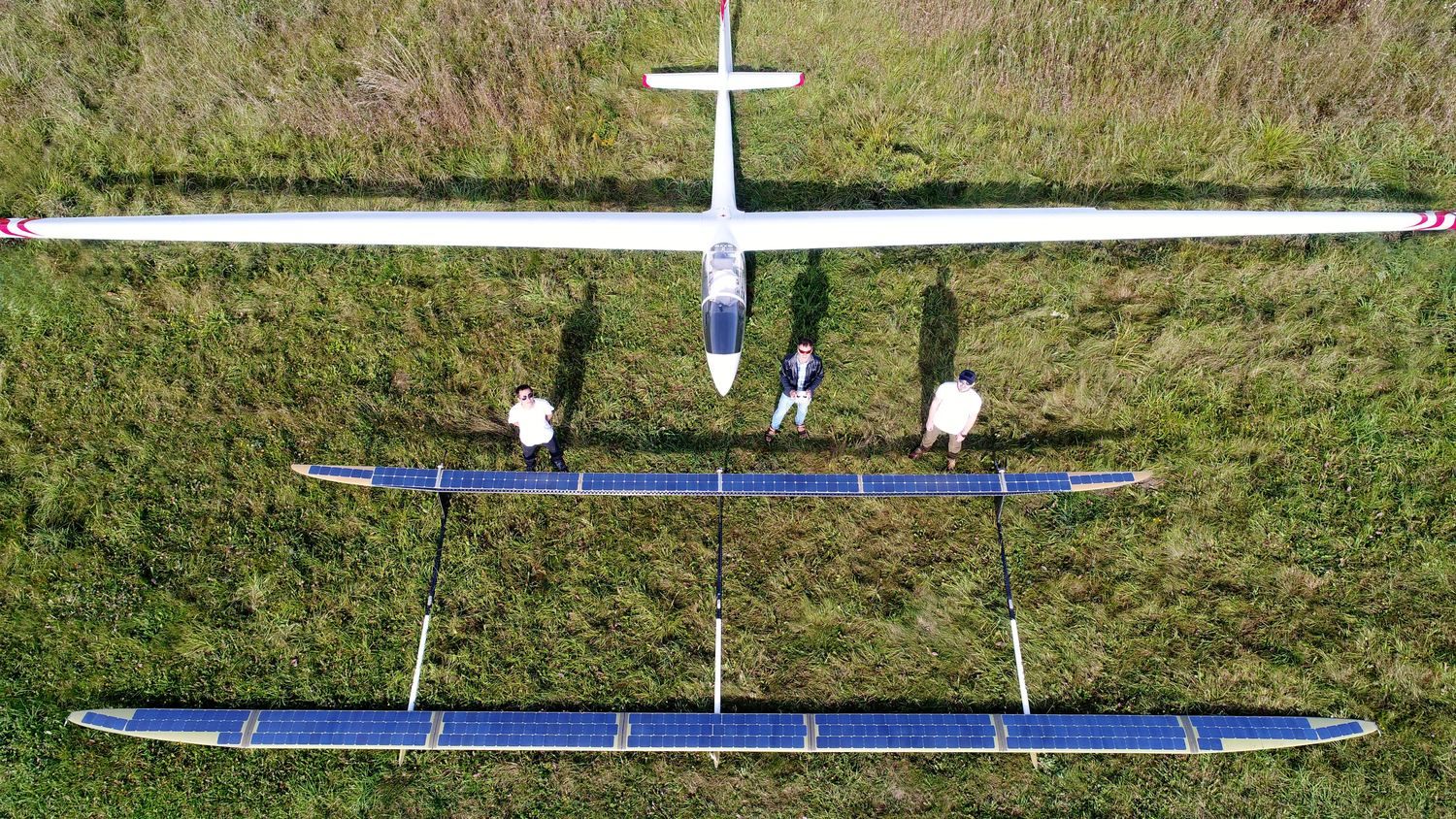
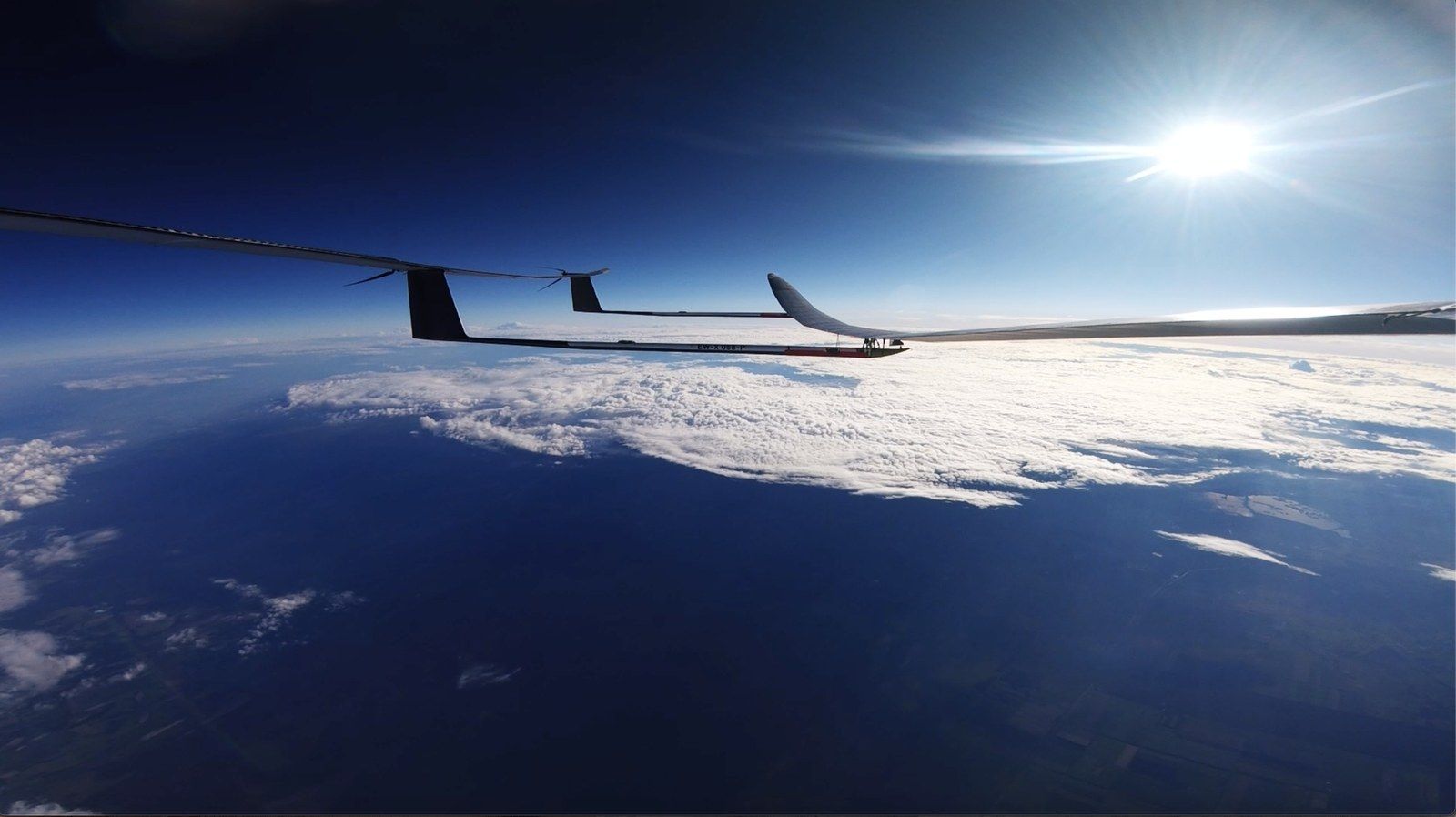
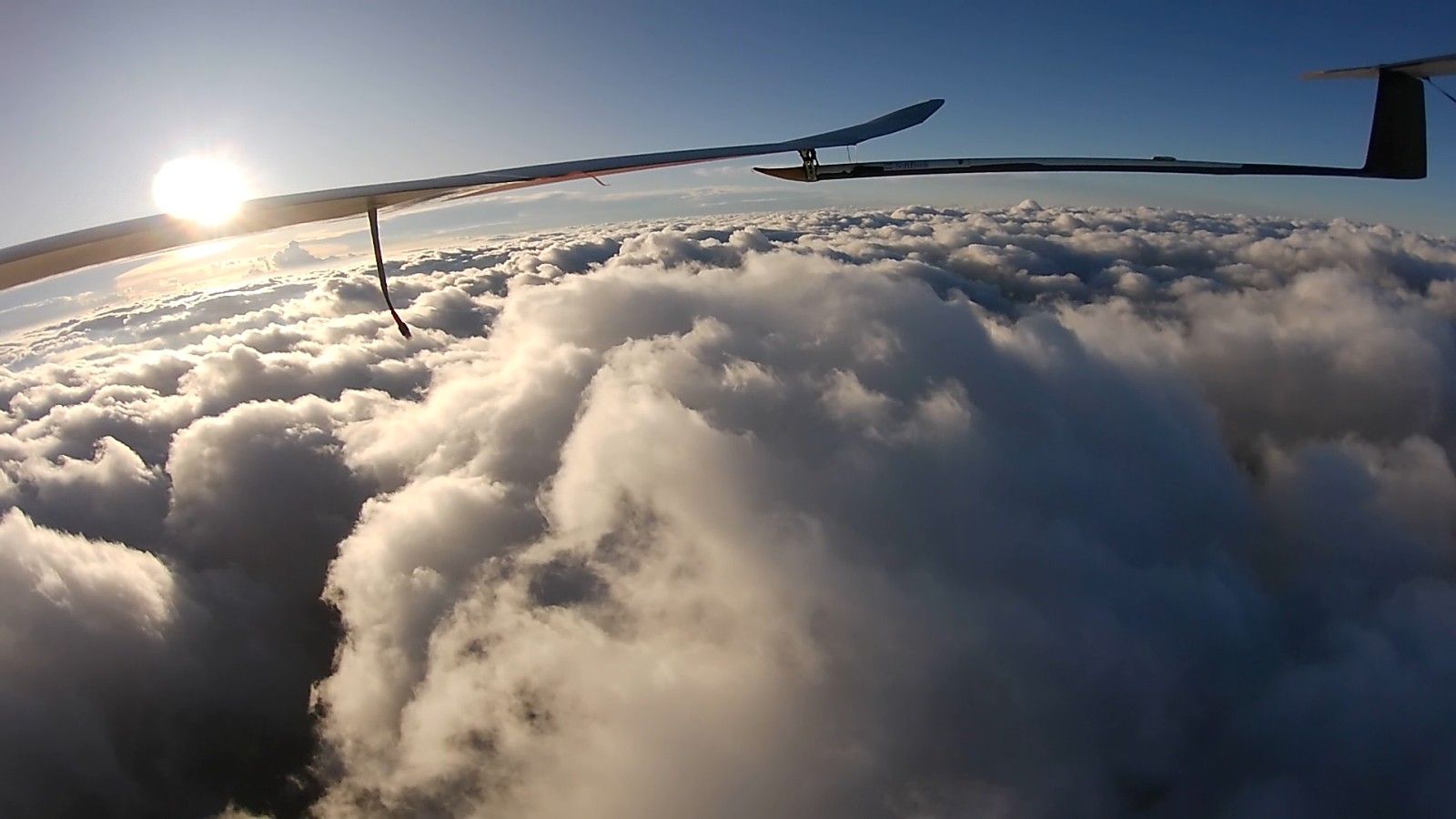
A family of solar-electric, ultra-light high-altitude pseudo-satellites that loiter for ultra-long durations in the stratosphere, around 20 km — above weather and conventional air traffic. They are low-cost, repositionable alternatives to satellites for persistent communications relay and wide-area Earth observation, launched without airfield infrastructure.
The tandem-wing ApusDuo is the flagship; the newer ApusNeo adds high-resolution imaging. Both demonstrate control of ultra-light aircraft in the unstable atmosphere of high-altitude flight.
The flagship carbon-fibre tandem-wing solar HAPS, two 15 m wings, for persistent communications relay and wide-area observation. Flight-tested in unstable atmospheric conditions.
A newer variant optimized for high-resolution Earth observation — 48 hours of continuous flight, with geolocated imagery at up to 2 m GSD from about 12 km.
Published by UAVOS and the trade press.
Proven design patterns from fielded unmanned systems, applied by a U.S.-owned, U.S.-controlled team.